

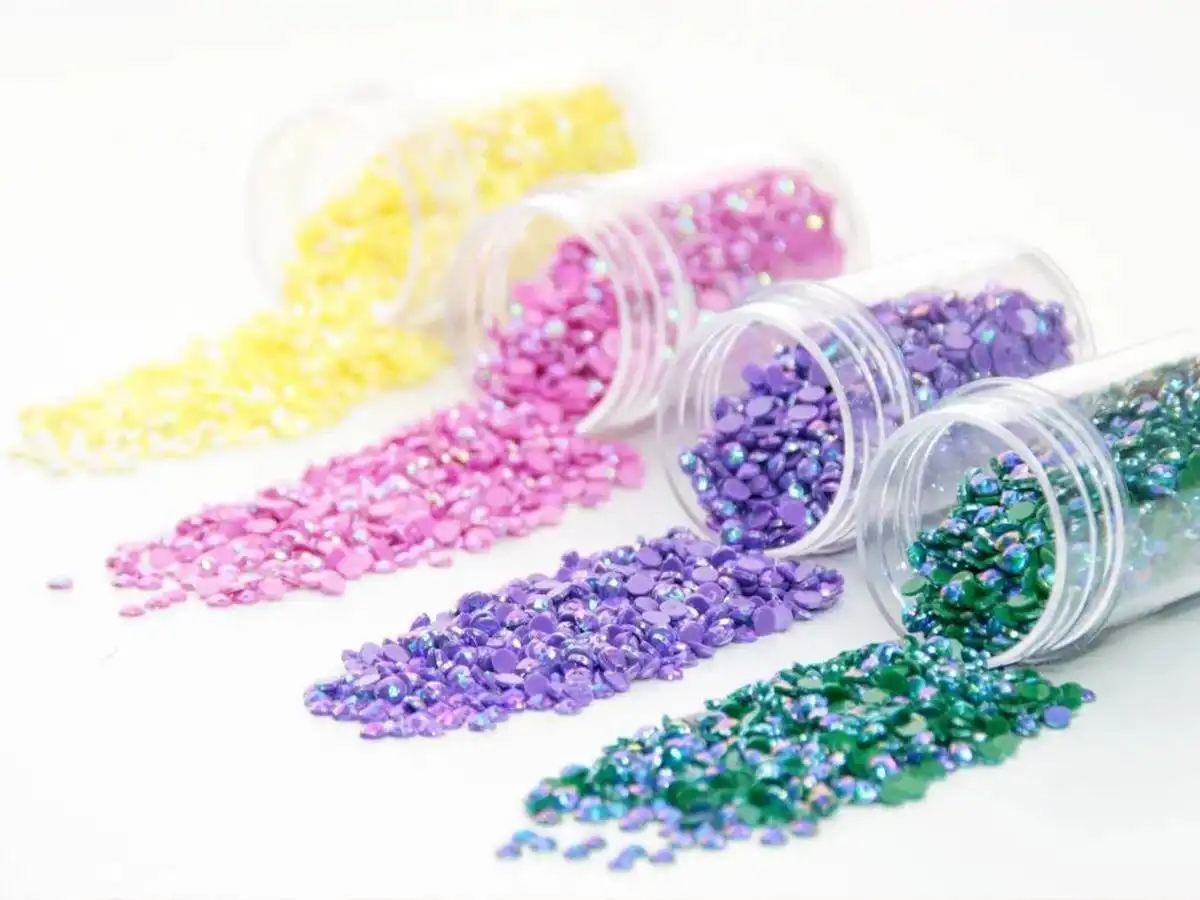
If you’ve ever opened a diamond painting kit and wondered why some little gems look slightly different from others, you’re not alone. Those shiny, colorful bits you place on your canvas are called drills, and yes, they come in different shapes, sizes, and even qualities. Understanding the difference between drills in Diamond painting will not only improve your final artwork but also make your whole crafting journey smoother and more enjoyable.
Let’s break it down together.
First Things First: What Are Drills in Diamond Painting?
In diamond painting, drills are the tiny resin or acrylic beads you apply to a sticky canvas to bring your design to life. They sparkle like diamonds (hence the name) and are the stars of the show. The word “drill” is simply a fancy name for these beads.
While all drills share the same goal, adding shine and color to your artwork, the experience changes depending on which type you’re working with.
Square Drills vs. Round Drills
🟦 Square Drills In Diamond Painting
Square drills are shaped just like their name suggests, little squares that snap neatly into place on your canvas. They line up edge to edge, leaving no gaps. This creates a smooth, mosaic-like finish that feels satisfying and professional.
Pros of Square Drills:
- Cleaner, sharper look.
- Perfect coverage with no visible spaces.
- Satisfying “snap” sound when they click into place.
Cons of Square Drills:
- It can be a little trickier to line up perfectly.
- Requires more patience and precision.
Square drills are usually loved by crafters who enjoy detail, neatness, and the challenge of making everything perfectly aligned.
⚪ Round Drills
Round drills in diamond painting are, of course, circular. They’re easier to pick up and place, and they give your finished piece a softer, more sparkly effect. Because they don’t fit together perfectly, you’ll sometimes see tiny gaps between them but this actually adds to the overall shimmering look.
Pros of Round Drills:
- Faster and easier to place.
- Great for beginners.
- Extra sparkle thanks to their shape.
Cons of Round Drills:
- Small gaps may be visible.
- Less “clean” than square drills.
Round drills are the go-to for crafters who want a relaxing, quick, and glitzy experience without obsessing over straight lines.
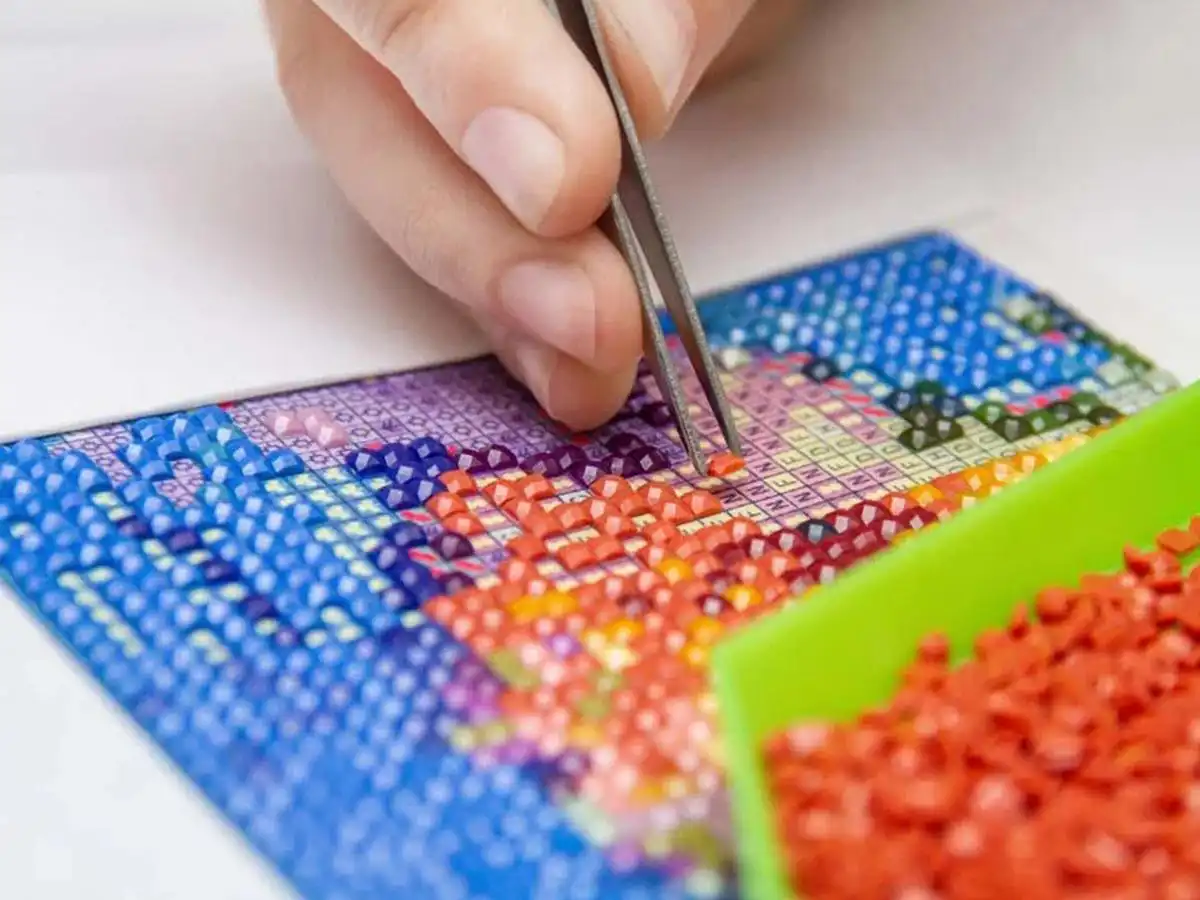
Full Drill vs. Partial Drill Canvases
The word drill also comes up when describing your canvas coverage.
Full Drill Canvas → The entire canvas is covered with drills. This gives you a complete, glittering artwork with maximum shine.
Partial Drill Canvas → Only parts of the design are covered in drills (like just the subject or main details). These are quicker projects and often combine painted backgrounds with sparkly highlights.
Think of it as “full glamour” versus “spotlight sparkle.”
Resin vs. Acrylic Drills
Not all drills are made the same. You’ll find two common materials: resin and acrylic.
Resin Drills: High-quality, durable, and usually more consistent in size. They give a premium finish and a brilliant shine.
Acrylic Drills: They are lightweight and cheaper to produce. However, the sizes can sometimes vary slightly, which means you’ll need to do a little adjusting.
Most crafters prefer resin drills for the perfect finish, but acrylic drills still do the job just fine, especially if you’re trying out Diamond Painting on a budget.

Which Drill Type Is Right for You?
When you focus on details and enjoy working with precision → Square drills.
If you want easy, relaxing fun → Round drills.
If you like maximum sparkle → Round drills or AB drills.
Looking for a quick project → Partial drill canvases.
If you want full glitter power → Full drill canvases.
There’s no “wrong” choice. Many crafters even switch back and forth depending on their mood.
You might think drills in diamond painting are just tiny beads at first, but once you learn about diamond painting, you’ll see how their shape, quality, and finish can completely change the look of a piece. The tools you use set the tone for the whole project, whether you want neat, finished perfection or a smooth, sparkling session.
So, pay close attention to the exercises the next time you open your equipment. The tiny diamonds that turn a plain canvas into breathtaking art are powerful despite their little size.
Leave a Reply